
Looking back to look forward is one of the S/S 18’s biggest messages.

Into Slow Future, is about remembering the past in order to imagine the future direction.
In 2018, the theme collectively will have us take time to reflect and look back into archives of ideas. This will bring previous concepts that were forgotten to come forward, using memory as a springboard for creativity. Only time will tell, as our lives speed up and time feels scarce; then we will find inspiration in moments of boredom, and take joy in slowness.
Also, within 2018, we will begin to buy in to buying less. This is a trend for a time of transition, stripping away excess to bring us towards lightness of being. Inside an always-on world, we will see the benefits of slowness, silence and even boredom, which spark creative thinking and motivate us to seek new goals and projects.
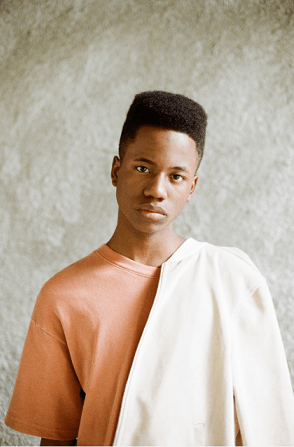
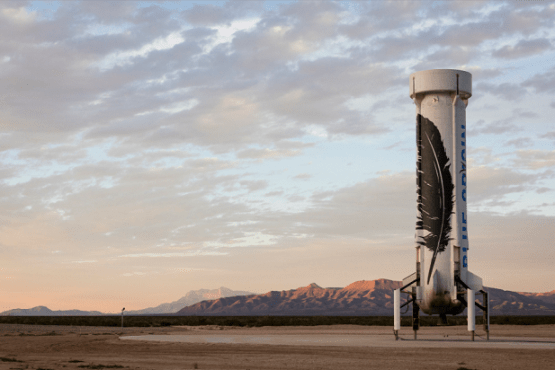
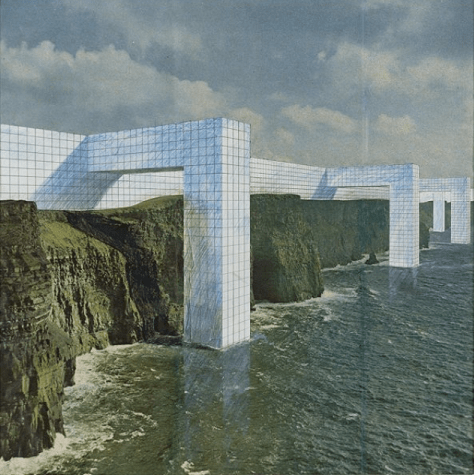
Coming forth the awareness, that the past is powerful, and new does not always mean better. It is time to explore innovation in forgotten ideas. Our concept of space will shift in two ways, inspired by the first commercial flights into space, but also by the concept of space itself: Making room for emptiness and mindful wandering.

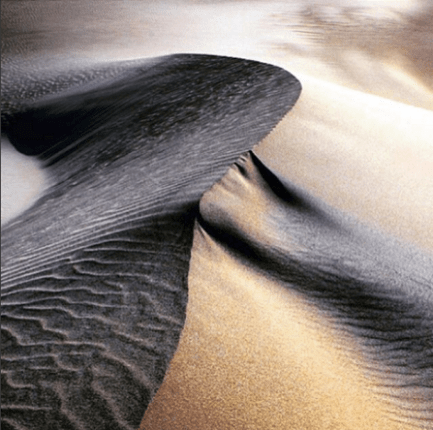
Craftsmanship and technology will blend seamlessly, with materials and shapes that are edited to their essential forms and functions: high concept/ low maintenance will be the message of the moment.

The Value of Memory:

The experience of forgetting information you trust a digital device to store and remember for you. Although, this digital amnesia has not been recognized scientifically yet, cognitive scientists agree that relying less on the mind builds fewer neuron connections in the brain, stagnating its development. This phenomenon in which technological knowledge becomes lost to humanity through constant technological advancement. Also, highlighting how, as well as storing actual information, there is a trend to keep memories in digital form.

Are ‘digital amnesia’ and ‘corporate amnesia’ affecting brains, brands and bottom lines?
The Space Economy:
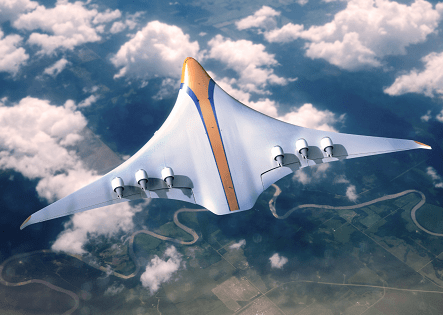
The world of commercial space travel seems to draw from retro sci-fi fantasy, and yet it is marching closer to everyday life.
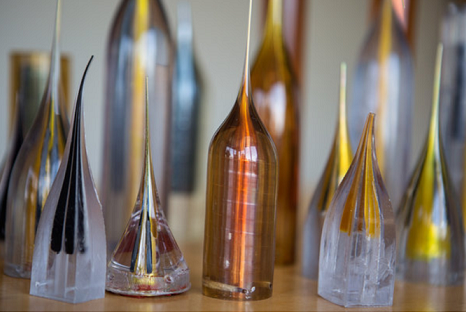
Space tourism is likely to take off in 2018, and as more entrepreneurs and brands invest in space ventures, the final frontier is becoming a profitable one. The industry is being driven by tech giants such as SpaceX, run by Elon Musk and Google, Vulcan Aerospace founded by Paul Allen, and Facebook’s Connectivity Lab, but fashion and lifestyle companies are also dipping their toes into space-related ventures.
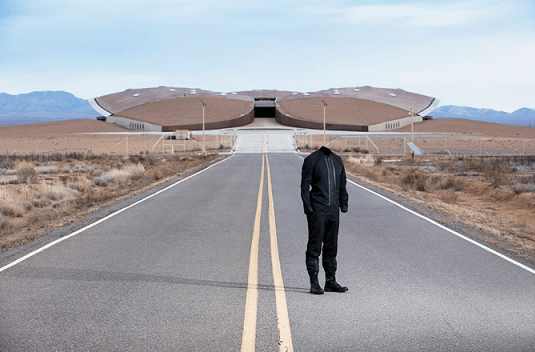
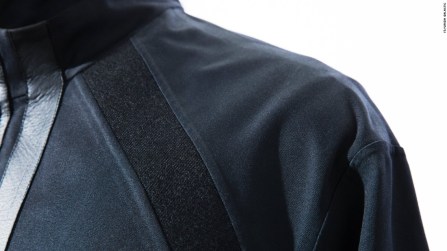
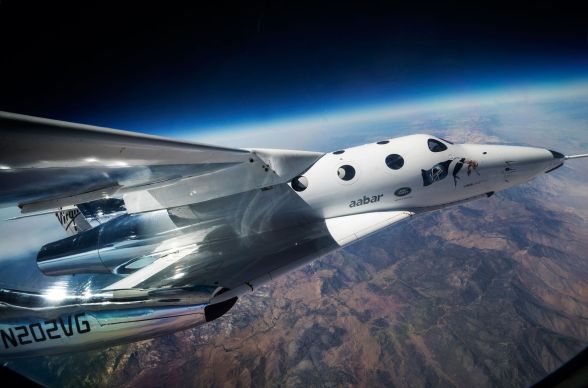
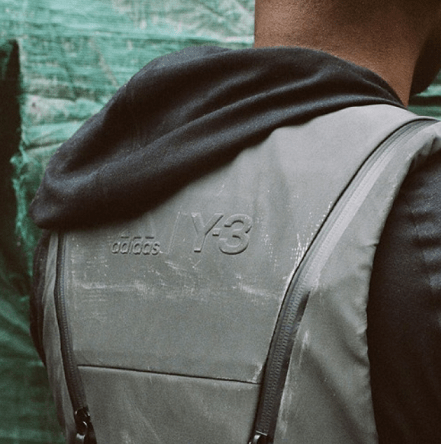
Back to the future. Y-3 and Virgin Galactic team up to create space apparel for the world’s first commercial space line. The design nods to the first pilot, and marks a new approach to heritage.
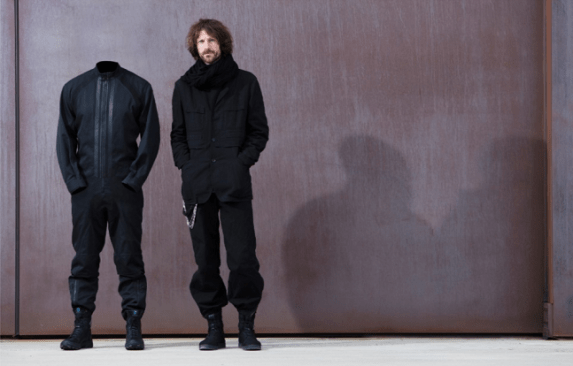
Whether in space or on earth, textiles will be increasingly smart. MIT professor Yoel Fink, who is part of a new US research initiative exploring advanced fabrics, as mentioned to the New York Times: “This is about reimagining what a fabric is and rebirthing textiles into a high-tech industry.”
Creative Space-
As our lives speed up and time feels increasingly scarce, there will be greater focus on space to think, pause, and ponder.
The Silent Room by Simon Heijdens is a prime example.

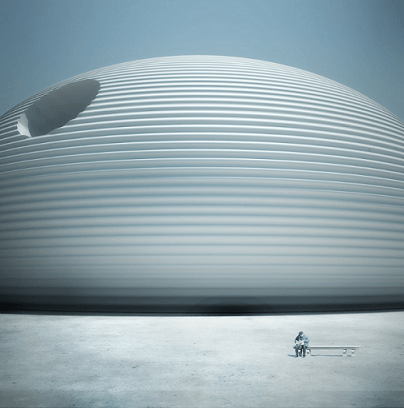
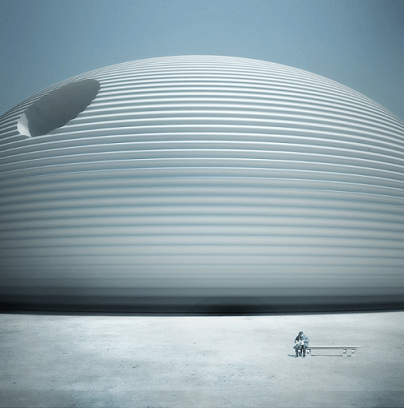
Likewise, The Room of Silence offers space to pause. The installation by Korean artist Ahn Kyuchul is a white, ball-shaped space that can be climbed inside, to offer solitude and silence.

Creative Stasis:
Constant movement has become the new normal, and from this state of perpetual motion comes a new appreciation of stasis, and the beauty of slow.
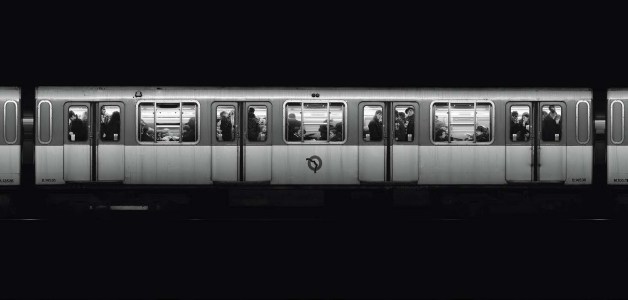
Photographer Adam Magyar emphasizes this new appreciation with his Stainless Series, which captures stammeringly slow footage of people at some of the world’s busiest subway stations.
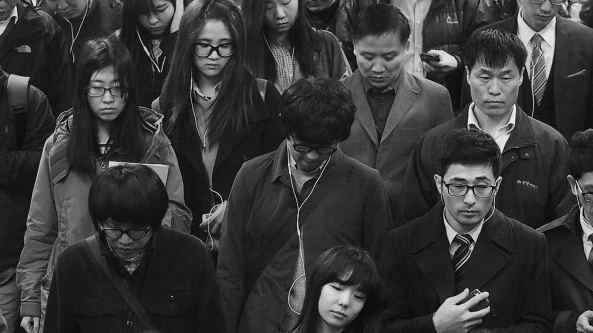
Time seems to stand still as he turns momentary flash into a stretched-out moment in time.

The Urban Cities series by photographer Kai Caemmerer also explores the idea of stasis- the movements of inactivity sandwiched between periods of activity.
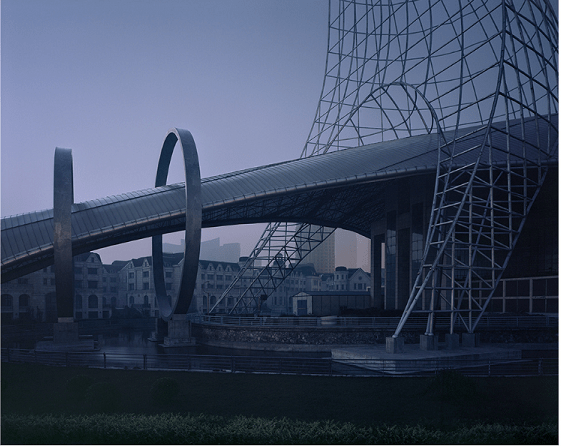
Forgotten Futures:
In 2018, we will explore forgotten ideas of the future. We will revisit the archive, thumb through old thoughts, and reflect on the past to imagine what is to come.

THIS IS THE TIME TO REMEMBER.
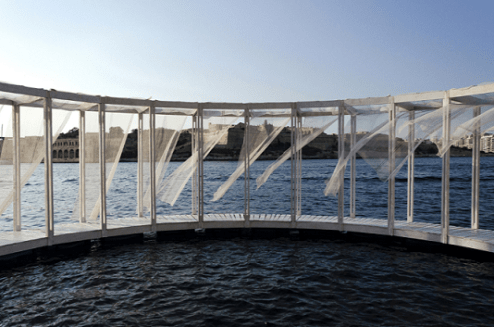
Babel Tower by Iranian artist Shirin Abedinirad and Italian interaction designer Gugo Torelli is also modeled on an old Utopian ideal.
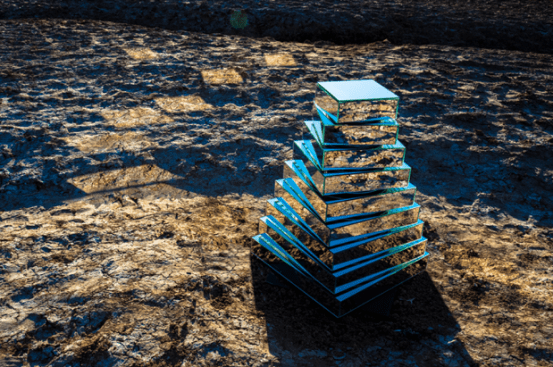
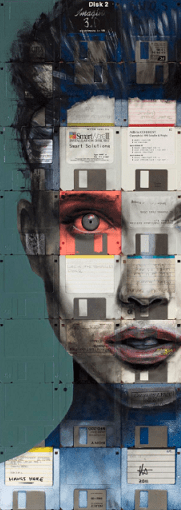
The art world also echoes the desire to look back and reflect.

Similarly in print, the magazine Works That Work dedicated its sixth issue to exploring forgotten and overlooked ideas worth a second look. It shows that new doesn’t always mean better, and remind us to look again, highlighting the virtues of revisiting the archive, so we can reuse and recycle old thoughts.
In Touch:
At a time when life is becoming more virtual, there is a renewed appreciation of touch as a basic human need, resulting in a counter-movement towards the real, the tactile and the textured. The physical quality of our surroundings assumes a new importance.
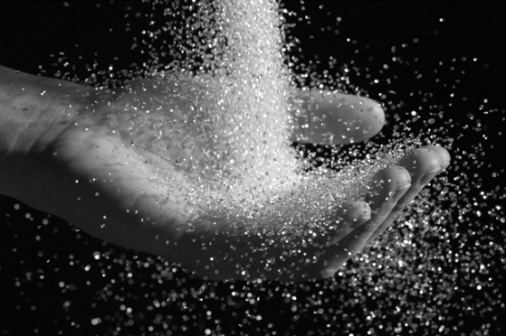
Furthering the idea on tactility is Terraforming– a short film by Studio Swine for Swarvoski about a person who discovered a plant made out of crystal. The film was inspired by 1960s sci-fi classics, and explores the importance of touching and making, of going back in time, from the neolithic towards a future in space. Visually, it has a luxurious approach to texture and points to a new wave of materiality in film.
Terraforming depicts a crystal planet that has been discovered in the galaxy. It follows a young cartographer’s journey to the planet, where he engineers the environment to be habitable for humans using various tools of exploration. The Dune Clock tells the time with 3 million precision cut crystals; the minutes pass with falling crystals and the hour with the digital numbers. The Dune Table creates an array of miniature landscapes using sound frequencies ranging from 100Hz-10,000Hz demonstrating the planet’s ever shifting surface.
The first ever object to be designed by man 1.7 million years ago was a flint hand axe. Flint has the same molecular structure as a crystal and they both consist of silica. The project juxtaposes the flint hand axe with the latest crystal technology; Xero chaton the world’s smallest precision cut crystal measuring 0.6mm in diameter, smaller than a grain of sand. Terraforming is a project commissioned for Designer of the Future 2015 by Swarovski at Design Miami/ Basel.
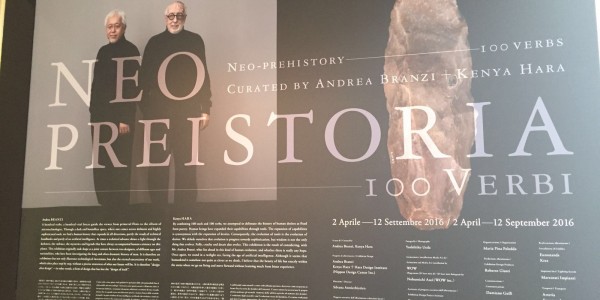
The Neo-Prehistory exhibition previously at Trienale in Milan became a mass influencer for Slow Futures, which explored similar themes, tracing history of humans in 100 tools, from the first flint to the nanotechnology of today.
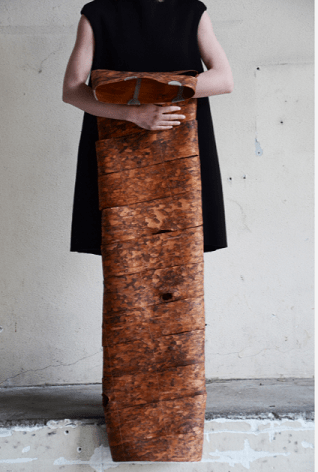
Slow Design:

Everyday items are carefully edited to their essential form and function, freed from distractions to focus on what is important. Shapes and materials are finely tuned for perfect balance of aesthetics appeal and practical simplicity.
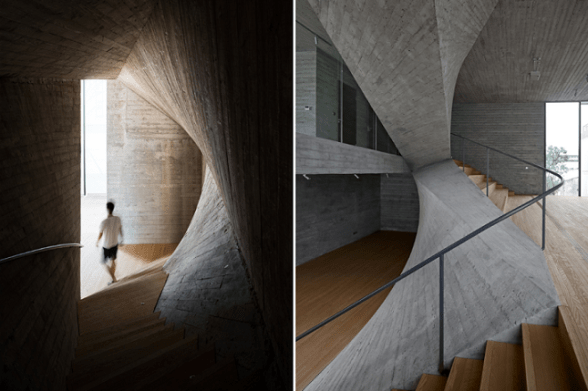
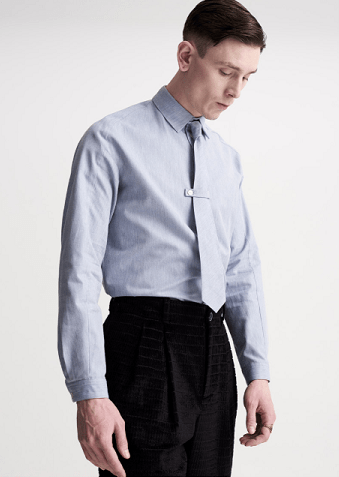
The combination of high concept and low maintenance gives product a sense of sustainability, communicating considered style of the owner.
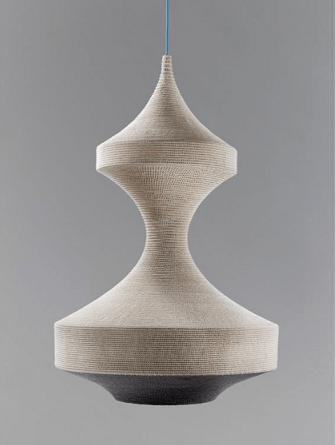
Adaptive Tech:

As design and technology merge more seamlessly together, new adaptive forms emerge, and state-of-the-art production processes create a hyper-modern utility aesthetic.

Lightness and durability become key properties, as new innovative materials offer versatility and enhanced performances, and surfaces are more transparent and reflective, blending into their surroundings.

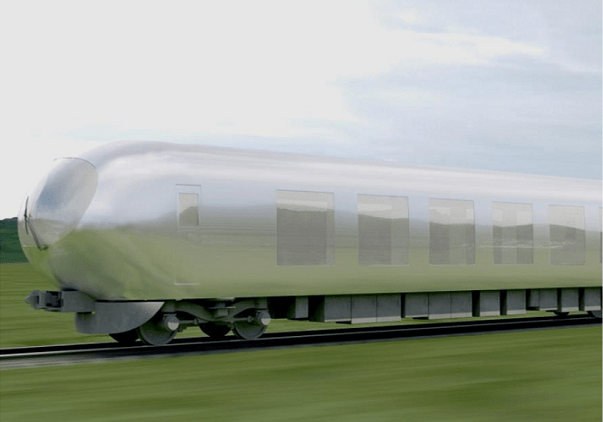
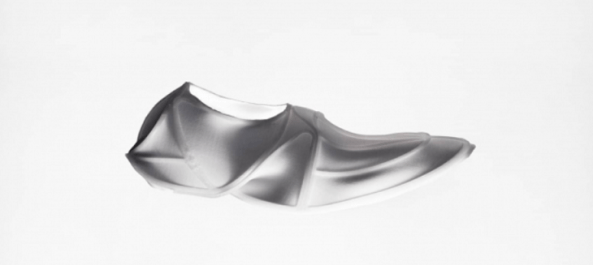
This next step in product evolution will orbit technology that is softer and stealthier, so advanced that it almost disappears.
Music For Your Ears: The Chemical Brothers- Wide Open ft. Beck

In the Active Arem: World Drone Grand Prix

Color:
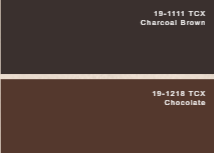
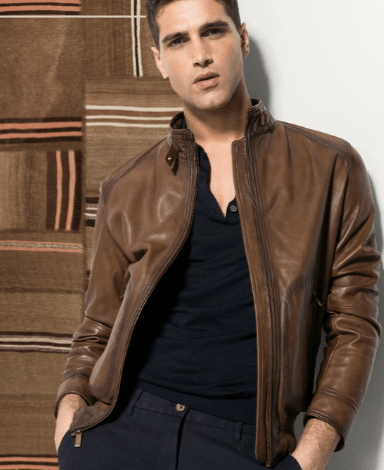
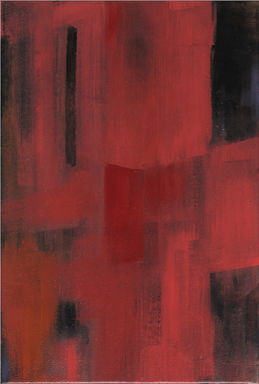
Earthy tones of Endor Green, Dark Nickel, Rust and Charcoal Brown form perfect partners for both cool and acidic tones, bringing a sharp edge to the season.

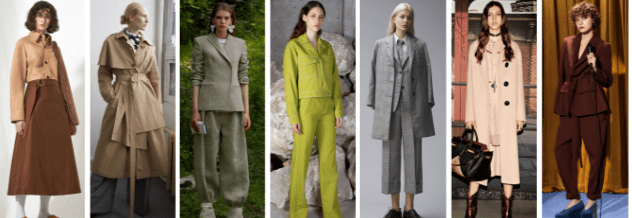
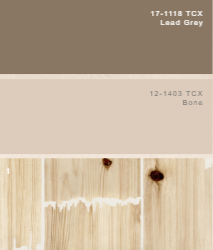
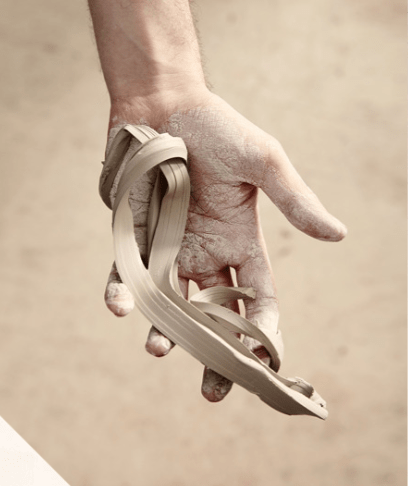
Natural Neutrals, such as Bone and Lead Grey, as well as core colors Sand and Ivory, feel sophisticated and natural, and offer a more elevated take on sustainable design. The look here is untreated, contemporary, and casually elegant.


The classic core colors make a welcome return this summer, with renewed emphasis on tones such as Ivory, Charcoal Brown, and Smoke.
These soft neutrals provide an instant sense of texture, appropriate for natural materials or lightweight sheers.
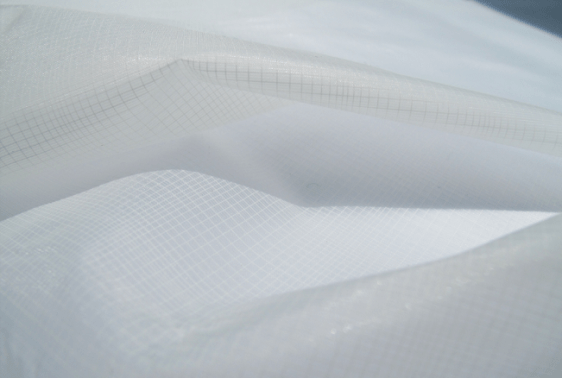


Pioneering innovation drives the need for lightness and protection through veiled transparency.


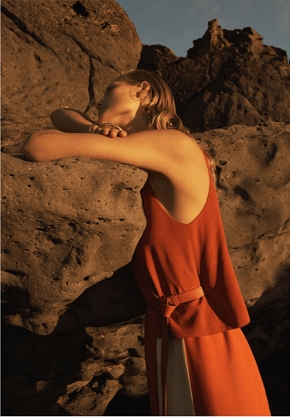
Earthy tones, such as Rust and Iron Red are worn head-to-toe, offering a rich quality in rustic materials. Designers pair these raw colors with tones of Pink Sand and Bone, providing a sophisticated look.

Womenswear:
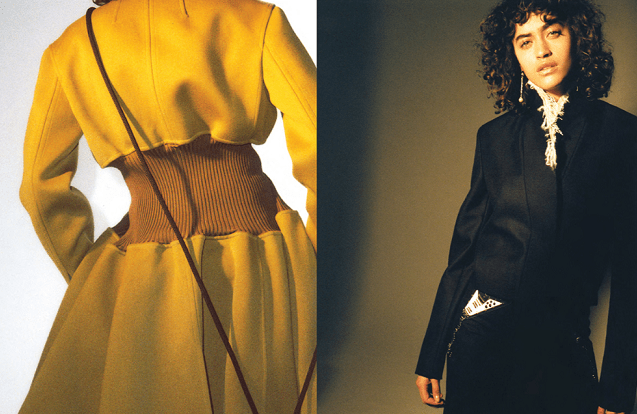
Sculpted Volume: Volume dressing has had a sense of fluidity in the past, but forms are more structured and sharp for S/S 2018. There is a sense of looking back to looking forward, with hints at historical details, such as cinched waists and leg-of-mutton sleeves. Also, these are combined with strong tailoring and cropped wide-leg pants.



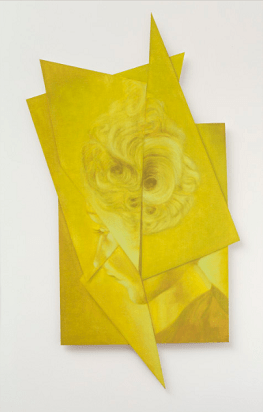
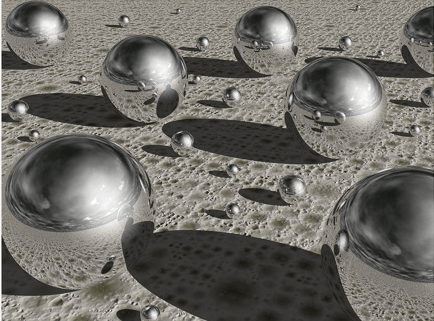
Mercury Rising: Surface is key in this story, with mirrored and polished chromes taking on a softer aesthetic that appears to be more brushed. The use of reflective finishes has a futuristic industrial feel, and feels faintly space-age. Clean and structured fabrics appear to have liquid quality.
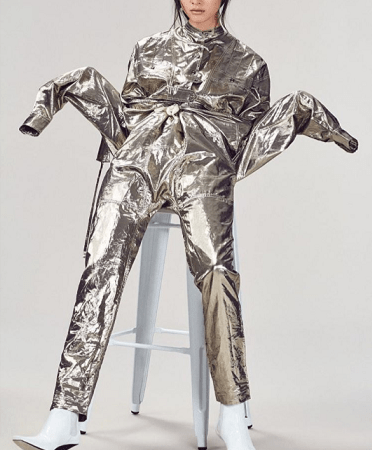


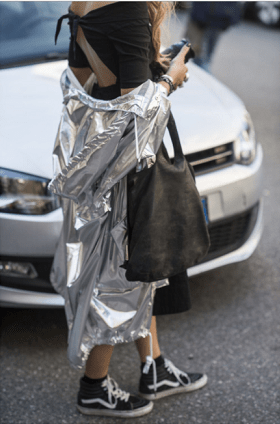

Sci-Fi Safari: Safari looks are a perennial trend, but in this story they are less about lush rainforests and game reserves and more about survival, with post-apocalyptic undertones. Biker jackets are updated with longer lines and sleeveless styling, as seen at J. Apostrophe, classic playsuits are updated with shorts and long sleeves.


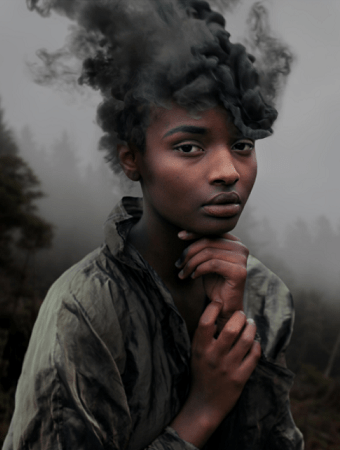


Retro Futuristic: In the past, retro futurism came from a 1960s viewpoint, but a tougher, more graphic vision is emerging. Technology plays a part here, with embedded fibre optic and light particles, inspired the work of Clara Daguin.


Influencers:
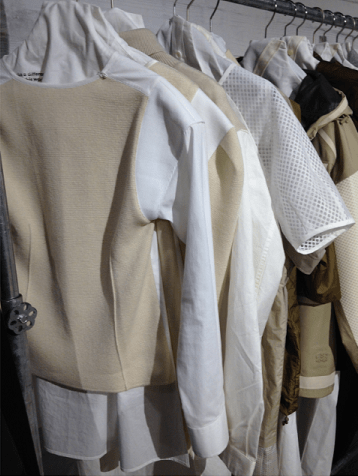
Re;code- Korean brand Re;code reinvents items and fabrics to give them new life, spurred by how much dead stock is incinerated once it has failed to sell.
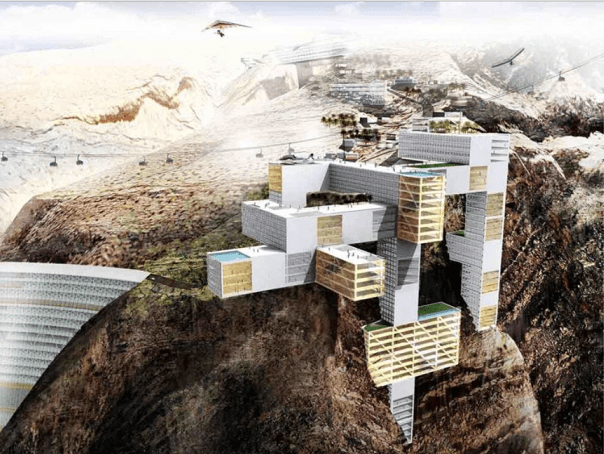
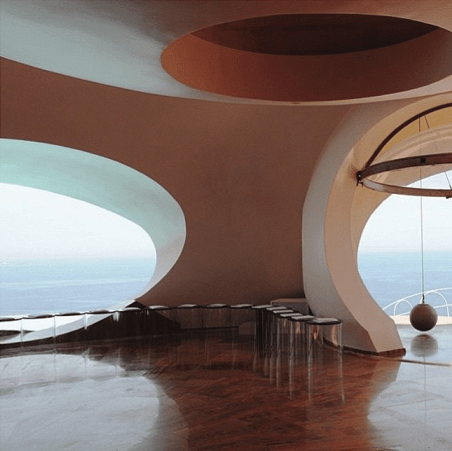
OMA- This futuristic resort in the UAE by architects OMA is designed to seamlessly connect the manmade with mother nature.

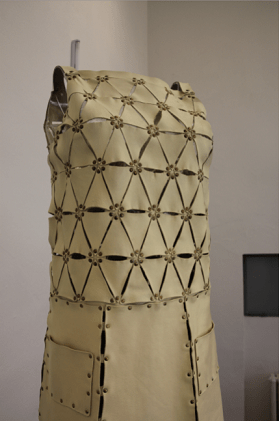
Clara Daguin- Combining technology with fashion, Clara Daguin’s Body Electric Collection traps circuit board-style lights in cutaway tailored pieces.

Menswear:
Flight Path- Aviation-inspired silhouettes are menswear staples, but are becoming as technologically-advanced as the industry. Bomber jackets are made from lightweight materials with details such as reflective taping, and utilitarian bondage straps inspired by paratroopers infuse a futuristic pragmatism into everyday essentials.
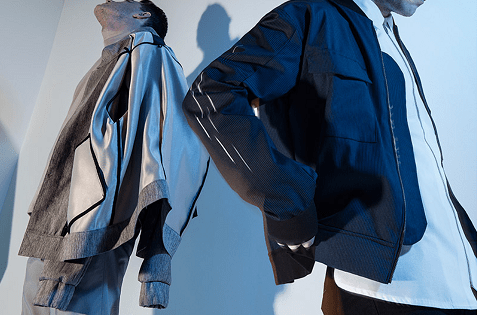
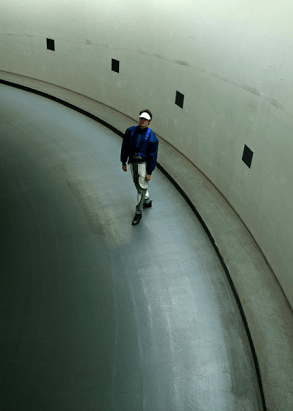
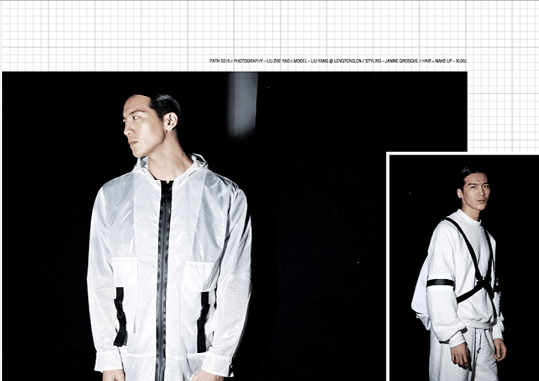
Orbital Gym- Zero-gravity activities and dystopian universes inform a new take on sportiness. Reflective taping and metallic accents such as piping infuse knitwear and casual sportswear with a space-like coldness. Moisture-wicking synthetics elevate tees, and shorts have functional gym appeal, but also transition onto the street.
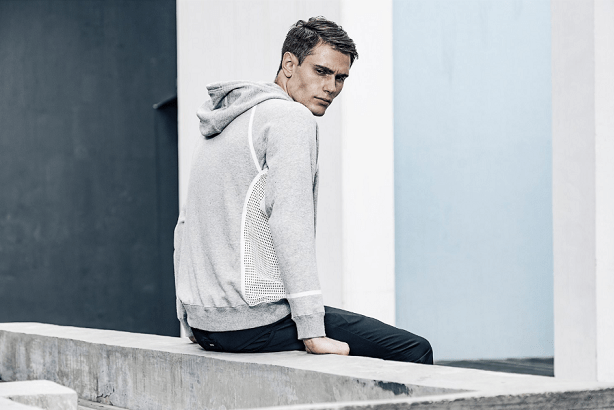

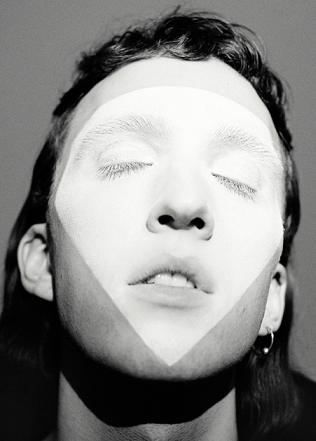
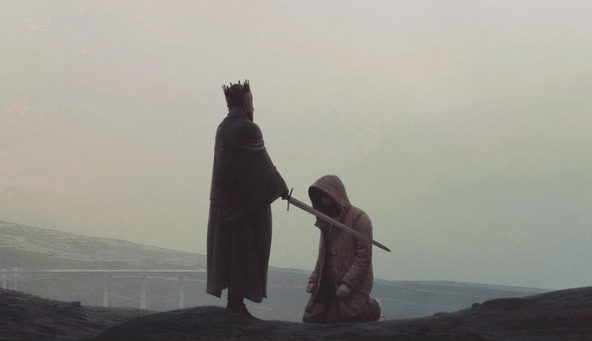
Modern Monastic- Long-line silhouettes and a primarily black-and-white palette offer a modern, solemn approach to dressing. Complementary monochrome layers enhance this aesthetic, which modernizes monks’ and priests’ robes, while textured fabrics and over-sized draping channel the look of science-fiction epics such as Star Wars.


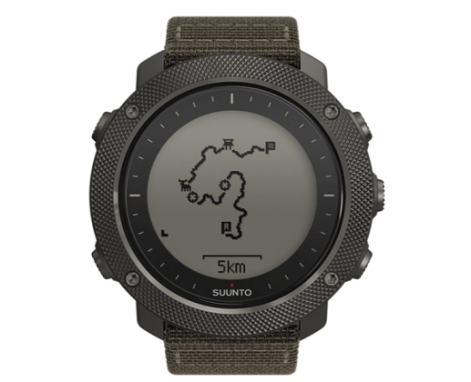
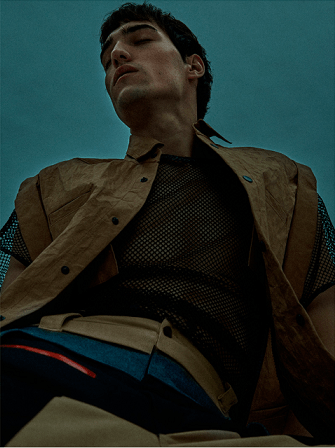
Timeless Explorer- Classic military garb is reframed, inspired by ideas of planetary exploration. This direction connects the past and future, featuring outfits that are bricolaged together with visible technical and protective components. Hiking shorts and sandals add a lighter, transitional touch to rugged outdoor silhouettes.


Influencers:
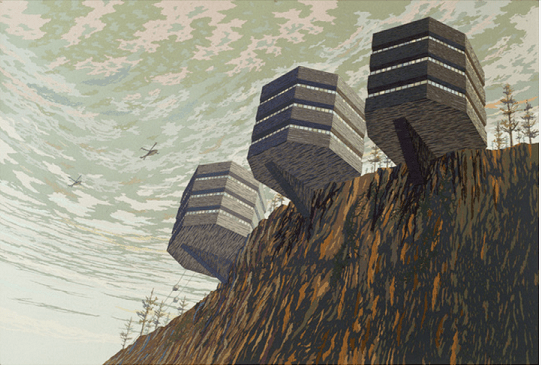
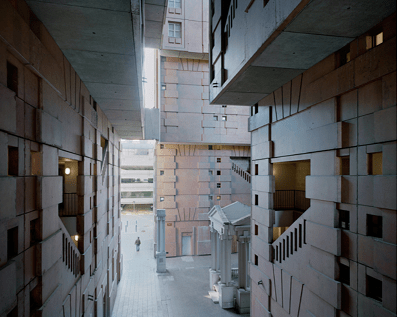
Dionisio Gonzalez- The Spanish architect and photographer has created a vision of the future that seems retro despite its obvious futuristic leanings.

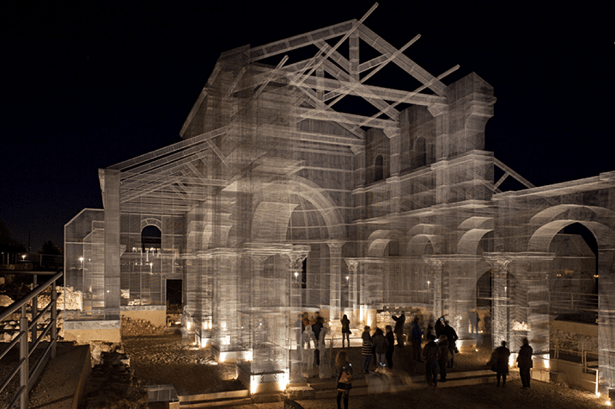
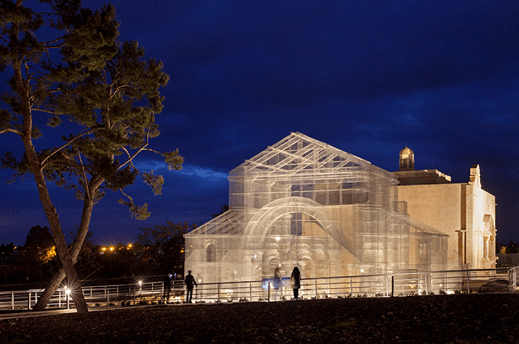
Edoardo Tresoldi- Italian artist Edoardo Tresoldi used wire mesh to reimagine a modern version of the 12th Century Basilica di Siponto, highlighting the relationship between the past and the present.
Y-3- Yohji Yamamoto’s sporty affiliation with Adidas is set to spawn the apparel worn by passengers and crew on Virgin’s Galactic space flights.

Nadav Kander- The work of this Israeli photographer depicts vacant yet charged scenes that are so detached from the spaces most of us inhabit that they appear other-worldly.

 the clementina project